Monday, April 17, 2017


Obama Common Core is pushing morality discussions out of the classroom, teacher claims

Kentucky teacher Paul Barnwell has a class full of students who wouldn’t turn in their boyfriend or girlfriend for committing a felony that “badly harmed” other people.
Their responses to this hypothetical scenario “troubled me,” Barnwell writes in The Atlantic, and he has a theory on what helped make them so morally callous: Common Core.
“Do you think you should discuss morality and ethics more often in school?” I asked the class. The vast majority of heads nodded in agreement. Engaging in this type of discourse, it seemed, was a mostly foreign concept for the kids. …
As my students seemed to crave more meaningful discussions and instruction relating to character, morality, and ethics, it struck me how invisible these issues have become in many schools. By omission, are U.S. schools teaching their students that character, morality, and ethics aren’t important in becoming productive, successful citizens?
For many American students who have attended a public school at some point since 2002, standardized-test preparation and narrowly defined academic success has been the unstated, but de facto, purpose of their schooling experience.
Despite polling that finds nine in 10 adults support “the teaching in public schools of honesty, acceptance of others, and moral courage,” a 2012 study on “ethics of American youth” found that most teens say “successful people do what they have to do to win, even if it involves cheating,” Barnwell writes.
From his observations in the classroom and hallways – “physical and verbal bullying, to stereotyping, to students leaving trash strewn all over the outdoor cafeteria courtyard” – Barnwell thinks more students consider themselves “extraordinary” and have trouble empathizing.
He also pegs this ignorance of religion and values in the test-driven classroom as a factor behind “a steady decline of teen involvement in formal religious activity over the past 50 years,” citing San Diego State research:
There’s undoubtedly a fear about what specific ethical beliefs and character traits schools might teach, but one answer might be to expose students to tough issues in the context of academic work—not imposing values, but simply exploring them.
New college entrance exam disavows Obama Common Core, targets classical education

A new college entrance exam focusing on classical liberal arts education serves as an alternative to the ACT and SAT while linking students with a number of conservative Christian universities.
The Classic Learning Test (CLT) debuted in June with a few factors contributing to its creation, CEO Jeremy Tate said in a phone interview. One component, Tate said, was the SAT’s alignment with the Common Core last year.
A former college counselor, Tate said parents at his high school were upset with the standardized test’s movement toward the controversial standards. His discussions with admissions workers at small liberal arts colleges also signaled there was a need for a new test.
Adding to the mix was Tate’s personal thoughts on the two major college entrance exams.
“Tests teach, they don’t just evaluate,” he said. “And I thought what was being taught on the SAT and ACT didn’t necessarily correspond to a Christian or Catholic worldview and in some ways, it seemed to undermine that.”
The exam’s parent company, Classic Learning Initiatives, was co-founded by Tate and David Wagner in fall 2015. They created a two-hour online test that prospective college students can take at a local testing center.
Scheduled on five dates per year, the test includes 120 questions and uses a 120-point scoring system. The test’s three sections – verbal reasoning, grammar/writing and quantitative reasoning – include 40 questions each. With an emphasis on classical education, the reading and writing sections include selections on religion and philosophy as well as historical founding documents.
Tate said the SAT and ACT’s promotion of globalization has eroded loyalty to any particular cultural or intellectual tradition. The CLT counters that.
“We believe as citizens to the West, our students would be good to have the kind of literature that my grandpa and great-grandpa grew up on, and that was kind of common knowledge. I think we’re losing that,” he said.
While the test seeks to show students’ readiness for college, Tate also hopes the test’s standards will encourage classical literature to be brought back into high school classrooms.
‘It’s just a better test’
So far, the CLT has partnered with 37 colleges and universities. They include Christian and conservative institutions like Grove City College, Liberty University and Patrick Henry College.
The test’s number one selling point, according to Tate, is that “it’s just a better test.” Having formerly prepped students for the SAT, Tate said the “value-neutral” approach of that test left students telling him it was “so painfully boring.”
“Instead of putting kids in front of meaningless informational texts, we want to put them in front of the greatest thinkers in the history of Western thought,” Tate said.
But the test also fills a void, linking students to small liberal arts universities. It’s a niche the exam is glad to fill. There aren’t plans to expand to large public universities.
Those schools already have plenty of students, Tate said, and there’s a reason. He said the ACT and SAT’s push of science, technology, engineering and math education has served as a powerful matchmaker for major universities, which has had a significant effect on traditional liberal arts universities.
“We’re seeing that a lot of these colleges I’ve been talking to, some of them are having enrollment problems … because we had a generation of students who think there’s no value in a liberal arts education,” Tate said.
The CLT hopes to have the opposite effect, by matching students to liberal arts schools. It’s that type of education that some of America’s best employers are looking for, Tate said.
“We want to be telling students there’s great value to a traditional liberal arts college. There’s great value to St. John’s [College] in Annapolis, [Maryland]. There’s great value to [The] King’s College in New York,” he said.
The Obama-era Surveillance Timeline

After receiving an anonymous tip, CBS News investigative correspondent Sharyl Attkisson begins researching the Department of Justice “gunwalking” operation nicknamed “Fast and Furious” that secretly let thousands of weapons be trafficked to Mexican drug cartels. One of the “walked” guns had been used by illegal aliens who murdered U.S. Border Patrol Agent Brian Terry in December 2010. ..
2010:
The IRS secretly begins “targeting” conservative groups that are seeking nonprofit tax-exempt status, by singling out ones that have “Tea Party” or “Patriot” in their names.
May 28, 2010:
The government secretly applies for a warrant to obtain Google email information of Fox News reporter James Rosen in a leak investigation, without telling Rosen.
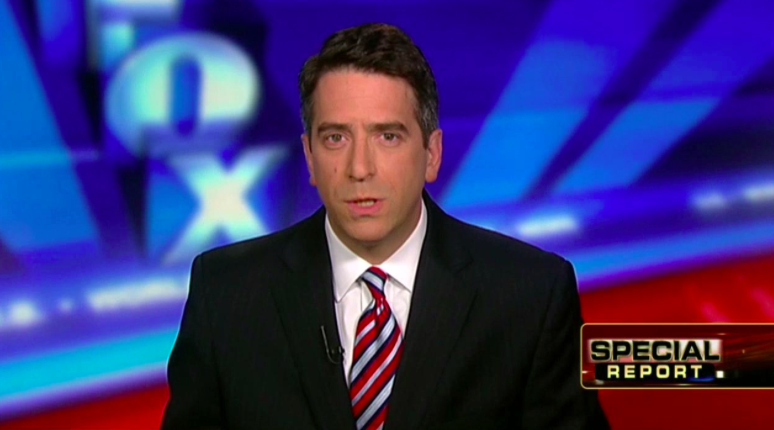
James Rosen of Fox News
September 21, 2010:
Internal email entitled “Obama Leak Investigations” at “global intelligence” company Stratfor claims Obama’s then-Homeland Security adviser John Brennan is targeting journalists.
“Brennan is behind the witch hunts of investigative journalists learning information from inside the beltway sources,” writes one Stratfor official to another.
The email continues: “Note — There is specific tasker from the [White House] to go after anyone printing materials negative to the Obama agenda (oh my.) Even the FBI is shocked. The Wonder Boys must be in meltdown mode…”
“The Wonder Boys” reportedly refers to the National Security Agency (NSA). Brennan later becomes President Obama’s CIA Director.
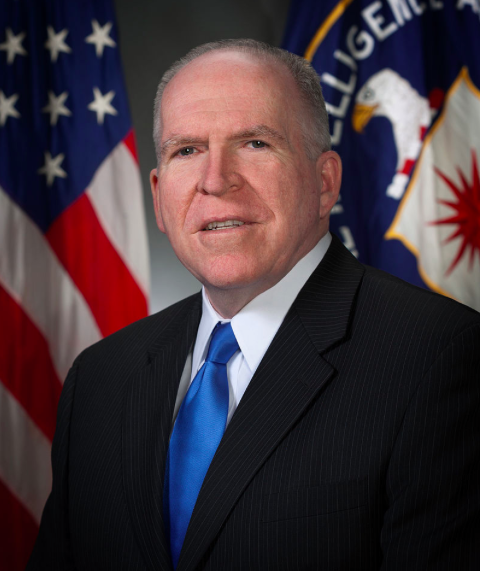
John Brennan, former CIA Director and Homeland Security Adviser
Early February 2011:
After receiving an anonymous tip, CBS News investigative correspondent Sharyl Attkisson begins researching the Department of Justice “gunwalking” operation nicknamed “Fast and Furious” that secretly let thousands of weapons be trafficked to Mexican drug cartels. One of the “walked” guns had been used by illegal aliens who murdered U.S. Border Patrol Agent Brian Terry in December 2010.
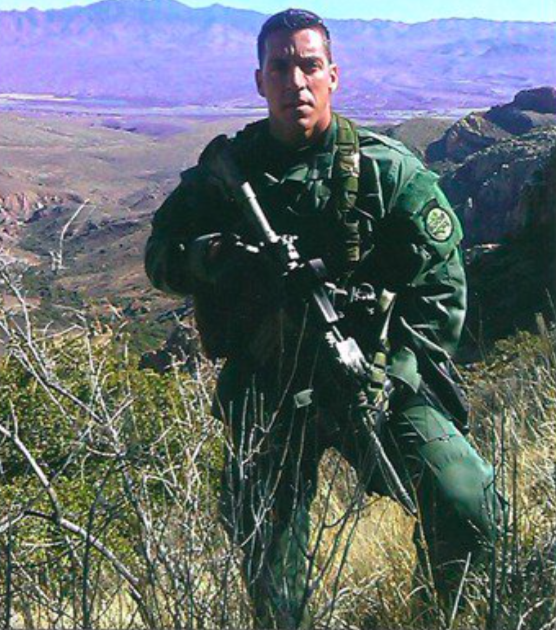
U.S. Border Patrol Agent Brian Terry
February 22, 2011:
CBS’ Attkisson breaks news about “Fast and Furious” on The CBS Evening News.
After the story airs, the government issues an internal memo that seeks to “push positive stories” to contradict the news.
Given the negative coverage by CBS Evening News last week…ATF needs to proactively push positive stories this week, in an effort to preempt some negative reporting, or at minimum, lessen the coverage of such stories in the news cycle by replacing them with good stories about ATF.
March 4, 2011:
CBS News’ Attkisson exclusively interviews sitting ATF special agent John Dodson. He gives a firsthand account contradicting government denials re: Fast and Furious.
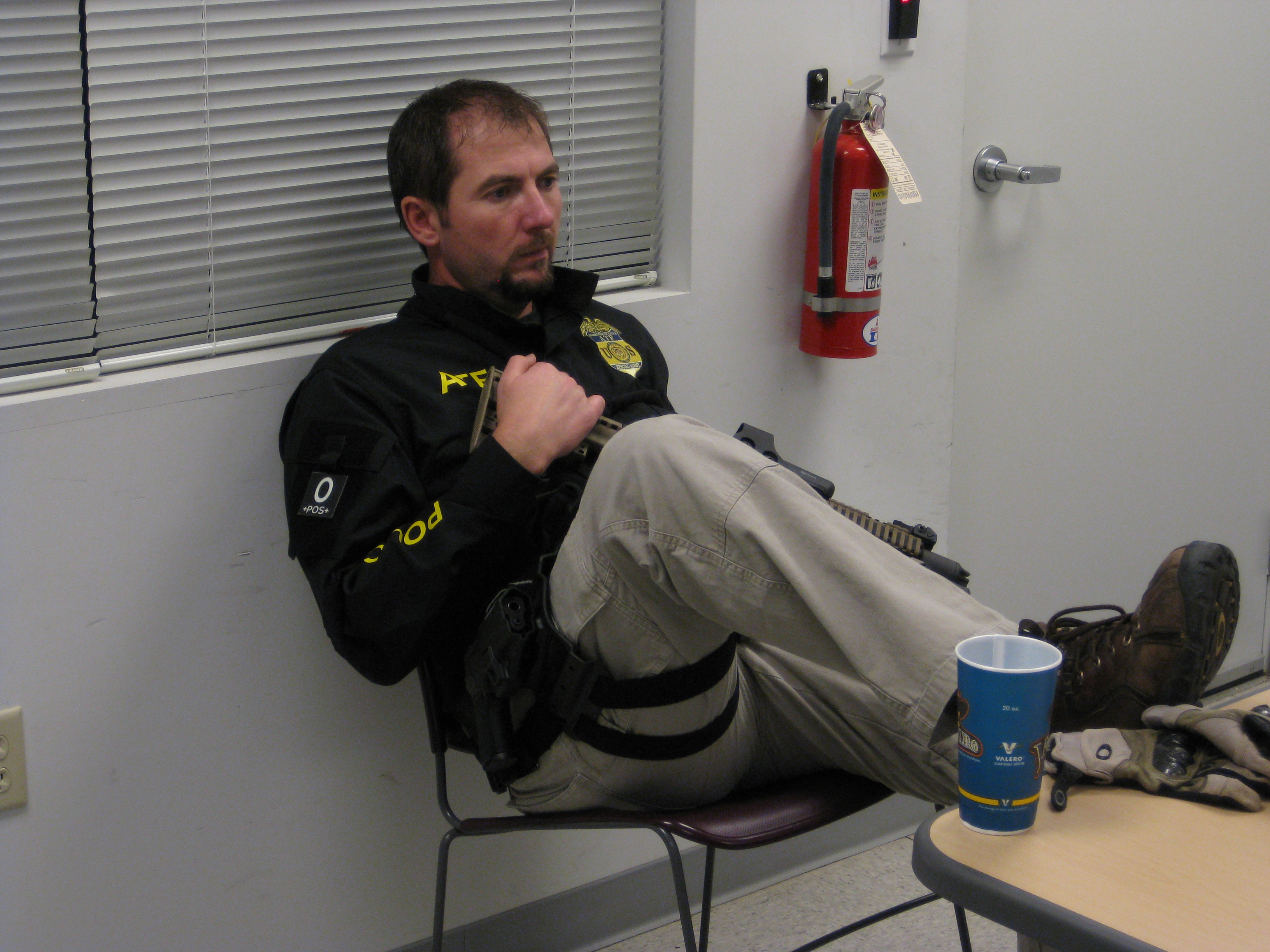
ATF Special Agent John Dodson
May 2011:
White House recruits democratic operative Eric Schultz to spin on Fast and Furious and to counter the House Oversight Committee’s investigative work on the case. (Schultz previously served as intern to Sen. Charles Schumer and Hillary Clinton.)
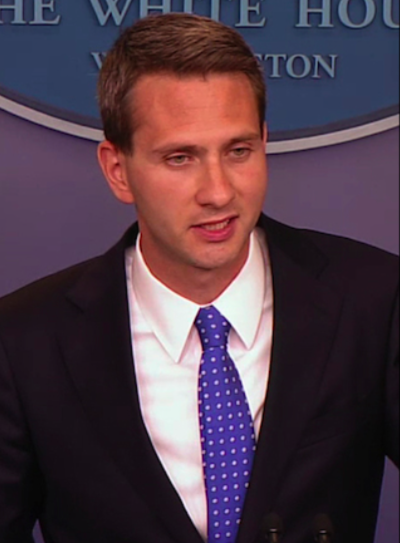
Former Obama operative Eric Schultz
Spring 2011:
Obama intel officials capture and record incidental private communications between Congressman Dennis Kucinich, a Democrat, and a Libyan official. The recordings are later leaked to the press.
June 2, 2011:
Republican Mitt Romney announces he’ll challenge President Obama in campaign 2012.
June 28, 2011:
Obama U.S. Attorney for Arizona Dennis Burke secretly leaks sensitive government information to Fox News, allegedly to retaliate against ATF whistleblower John Dodson in the Fast and Furious case. (Burke is former chief of staff to former Arizona Governor Janet Napolitano.)
August 2011:
U.S. Attorney Burke resigns while under investigation for the improper leak of sensitive information about Dodson. The Inspector General later confirms the leak and Burke apologizes.
September 2011:
White House operative Schultz invites Attkisson and several other national journalists to off the record backgrounder about Fast and Furious documents subpoenaed by Congress. Later, on the phone, Shultz screams and cusses at Attkisson as she asks questions raised by the Fast and Furious documents.
October 3, 2011:
Obama administration secretly changes longstanding policy. The change creates a “loophole” that Sen. Ron Wyden would later say allows the NSA to conduct a “backdoor searches” or “incidental collection” of U.S. citizens’ domestic communications.
The same day, CBS News airs Attkisson’s report on newly-uncovered memos that contradict Attorney General Eric Holders’ denials about Fast and Furious.
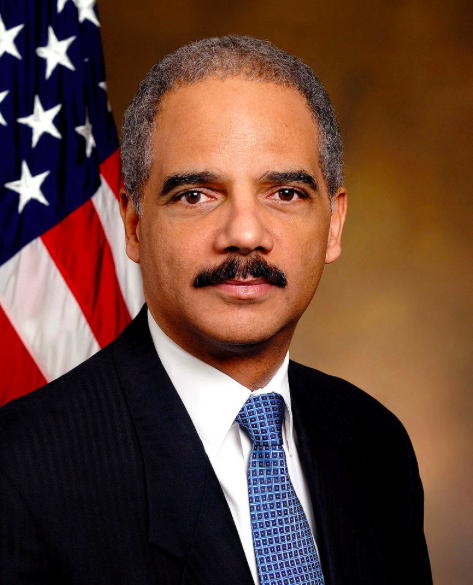
Former Attorney General Eric Holder
October 4, 2011:
In an internal email, Attorney General Eric Holder’s top press aide Tracy Schmaler emails White House operative Schultz calling Attkisson “out of control.” Schultz replies, “Her piece was really bad for the AG.”
December 2011:
Amid much criticism, Justice Department finally, officially retracts the false letter it had submitted to Congress in February. The letter had stated that the Fast and Furious allegations of gunwalking were untrue.
February 13, 2012:
At approximately 10:30pm, remote intruders secretly download new spy software proprietary to a federal agency onto Attkisson’s CBS work computer. (The software was secretly attached to a legitimate Hotmail email and downloaded in the background after a pop-up ad appeared).
April-May 2012:
The Department of Justice (DOJ) and FBI publicly announce vast expansion of cyber related efforts to address alleged “national security-related cyber issues.”
In violation of longstanding practice, DOJ secretly and without notice seizes personal and phone records of journalists from Associated Press from this two-month period in a leak investigation.
June 2012:
Attorney General Holder secretly initiates investigations into AP and the New York Times regarding government leaks.
June 28, 2012:
The House of Representatives holds Attorney General Holder in contempt of Congress for refusing to turn over subpoenaed documents related to Fast and Furious.
July 2012:
The Department of Justice designates U.S. Attorneys’ offices to act as “force multipliers” in further stepped-up cyber efforts in the name of national security.
Intruders remotely “refresh” ongoing surveillance of Attkisson’s CBS News Toshiba laptop.
October 2012:
CBS begins airing Attkisson’s Benghazi stories which rely on whistleblowers and numerous government-linked confidential sources. These sources report that the Executive Branch is clamping down on leaks to reporters re: Benghazi.
DOJ continues its stepped-up National Security Division cyber efforts, holding specialized training at DOJ headquarters for the National Security Cyber Specialists (NSCS) network and the Criminal Division’s Computer Crime and Intellectual Property Section (CCIPS).
October 16, 2012:
President Obama issues top secret presidential directive ordering intelligence officials to draw up a list of overseas targets for cyberattacks. According to The Guardian, the directive also “contemplates the possible use of cyber actions inside the US.”
November 6, 2012:
President Obama defeats Mitt Romney in Campaign 2012.
November 7-9, 2012:
Attorney General Holder hosts a national training conference at DOJ headquarters for the expanded efforts of DOJ’s National Security Cyber Specialists (NSCS).
November 13, 2012:
The F.B.I. initiates a body of cyber security case investigations that would later relate to Attkisson’s computer intrusions.
December 2012:
Two intelligence-connected sources separately suggest to Attkisson that she’s likely under government surveillance due to her reporting. One source tells her the government has pushed the envelope like never before and that public would be shocked to “learn the extent that the government is conducting surveillance of private citizens.”
As Attkisson arranges a forensic exam of her computer, evidence later shows the intruders then attempted to cover their tracks and to erase evidence of their intrusion. However, the erasures leave additional forensic evidence.
December 27, 2012:
Sens. Ron Wyden (D-Ore.) and Mark Udall (D-Colo.), who have classified knowledge as members of the Senate Intelligence Committee, publicly warn of the “back-door search loophole” or incidental collection of innocent Americans.
As it is written, there is nothing to prohibit the intelligence community from searching through a pile of communications, which may have been incidentally or accidentally been collected without a warrant, to deliberately search for the phone calls or e-mails of specific Americans.—Sen. Mark Udall, D-Colorado
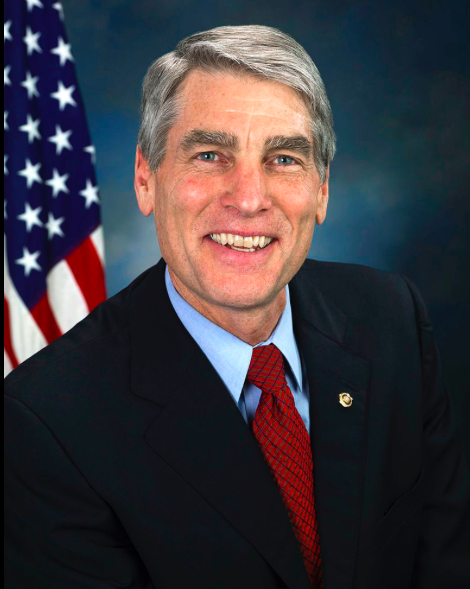
Sen. Mark Udall
January 2013:
Two forensics examinations confirm unauthorized remote intrusions and monitoring of Attkisson’s work and personal computers. The information is not publicly reported at this time.
March 12, 2013:
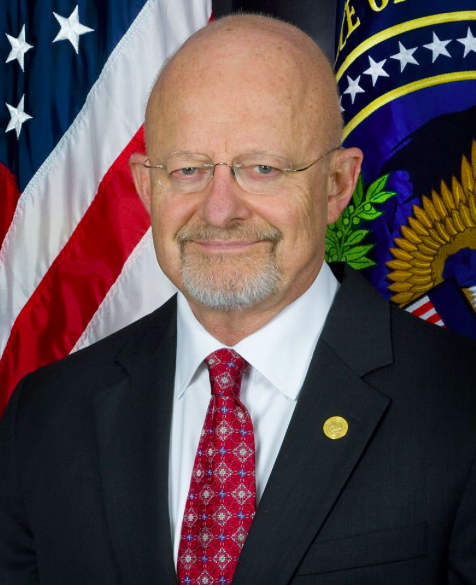
Director of National Intelligence James Clapper testifies to Congress, falsely stating that intelligence officials are not collecting mass data on tens of millions of Americans.
April 12, 2013:
The government Foreign Intelligence Surveillance Agency (FISA) court secretly approves the latest FBI request to continue obtaining daily telephone records of millions of U.S. Verizon customers. The judge orders Verizon to turn over the information to the National Security Agency (NSA). This directly contradicts Clapper’s March 12 testimony to Congress.
April 2013:
A secret government memo later exposed by NSA whistleblower Edward Snowden discusses how the U.S. is collecting information “directly from the servers of …Microsoft, Yahoo, Google, Facebook, PalTalk, AOL, Skype, YouTube, Apple.”
May 10, 2013:
After longstanding denials, the IRS admits to and apologizes for targeting Republican Tea Party groups for mischief, which included discussing developing pretenses for prosecution, leading up to the 2012 election.
May 13, 2013:
The Associated Press (AP) publicly announces that it has learned of the Justice Department’s secret subpoena of phone records for 20 AP reporters, in a leak investigation. Attorney General Holder personally approved the subpoenas, which were issued to Verizon rather than AP. AP calls it a “massive and unprecedented intrusion” into news-gathering operations.
May 17, 2013:
Fox News learns that the Justice Department secretly labeled reporter James Rosen a possible “criminal co-conspirator” and “flight-risk” in obtaining warrants to monitor Rosen’s State Department movements, phone records and emails in a leak investigation starting in 2011.
June 2013:
The FBI secretly opens a case on Attkisson’s computer intrusions under the auspices of a national security issue. The FBI contacts CBS without Attkisson’s knowledge, but fails to contact or interview Attkisson. (The FBI later withholds Attkisson’s FBI file in its entirety without explanation, and other documents, despite multiple Freedom of Information Act requests.)
News of the FBI case involving Attkisson’s computer intrusions is circulated internally to the Justice Department’s national cyber security group, and grouped with a set of cases opened in November 2012.
June 2013:
Former National Security Agency NSA contractor Snowden begins releasing documents showing extensive efforts by the government to surveil and collect information on U.S. citizens.
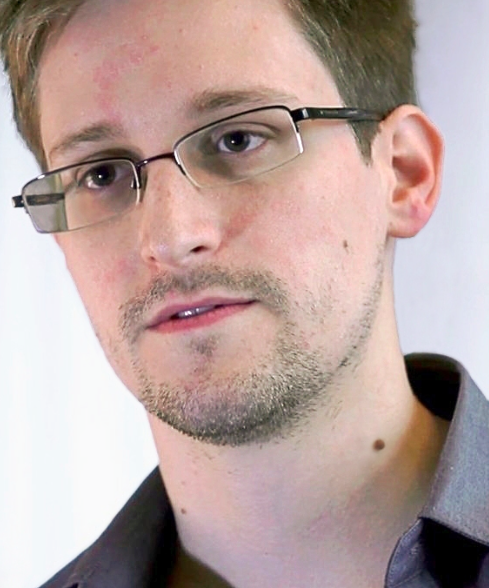
NSA Whistleblower Edward Snowden. Photo by Laura Poitras
July 2, 2013:
Director of National Intelligence Clapper apologizes to Congress for his false testimony in March regarding widespread collection of data on Americans.
August 7, 2013:
CBS News publicly announces confirmation of Attkisson’s computer intrusions.
“Attkisson’s computer was accessed by an unauthorized, external, unknown party on multiple occasions late in 2012…This party also used sophisticated methods to remove all possible indications of unauthorized activity, and alter system times to cause further confusion.—CBS News
March 2014:
Congress accuses the CIA of improperly accessing Senate Intelligence committee computers. CIA Director Brennan denies it.
Director of National Intelligence Clapper bans intelligence community officials from unauthorized contact with reporters.
July 31, 2014:
CIA Inspector General reveals that five CIA officials improperly accessed Senate Intelligence Committee computers and searched certain staff emails. The findings contradict denials made in March by CIA director Brennan. Brennan apologizes to Senate staff.
Spring 2015:
The Obama administration finishes secretive negotiations of an Iran nuclear deal that will return billions of dollars in frozen funds to the world’s largest state sponsor of terrorism in return for assurances from that country. It’s later reported that Obama intel officials have been incidentally capturing communications of U.S. members of Congress and organizations in the U.S. while secretly recording Israeli Prime Minister Benjamin Netanyahu’s discussions about the Iran deal, which he opposes.
December 2015:
The Cybersecurity Information Sharing Act (CISA) passes. It requires private Internet companies to “transmit cyber-threat indicators” to the Department of Homeland Security and granting the companies immunity from prosecution for sharing customers’ personal data in those cases.
The Wall Street Journal reports that the Obama administration incidentally collected private communications by members of Congress while it spied on Israeli Prime Minister Netanyahu.
The NSA sweeping up “private conversations with U.S. lawmakers and American-Jewish groups… raised fears [of]—an ‘Oh-s— moment,’ one senior U.S. official said—that the executive branch would be accused of spying on Congress.”–Wall Street Journal, December 29, 2015
July 2016:
Donald Trump wins the Republican nomination for president.
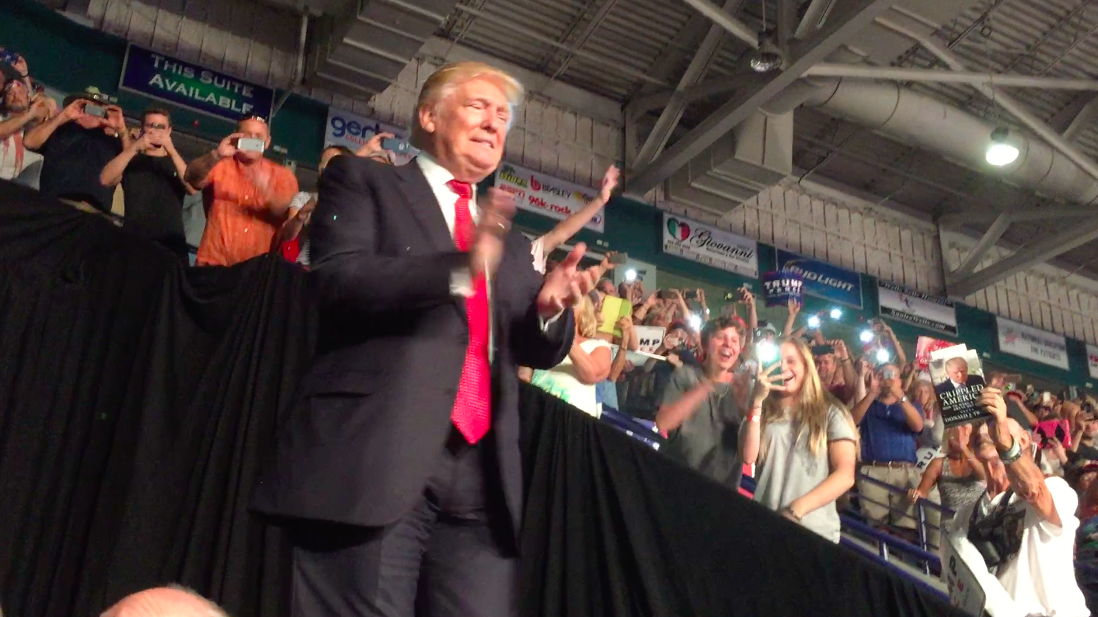
According to later news reports, after Trump’s nomination, internal White House logs show Obama National Security Adviser Susan Rice begins to show increased interest in National Security Agency (NSA) intelligence material that included “unmasked” Americans’ identities.
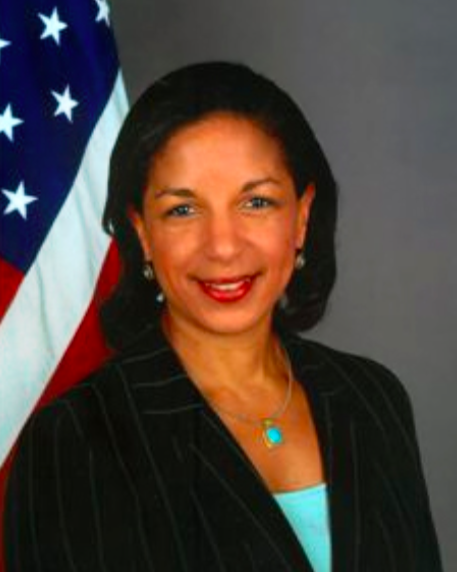
Former Obama national security adviser Susan Rice
Summer 2016:
The FBI reportedly obtains a secret FISA court order to monitor communications of Trump adviser Carter Page, convincing a judge there’s probable cause to believe Page is acting as a Russian agent. Surveillance of Page theoretically allows government officials to “incidentally” collect communications of Trump associates (or Trump himself) if they communicate with Page.
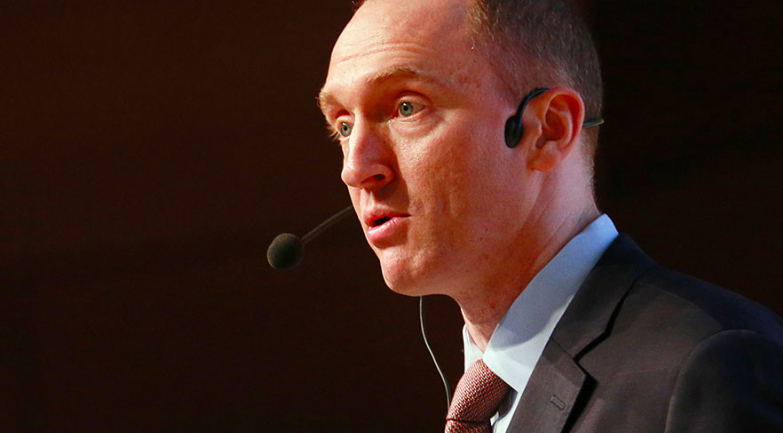
Former Trump adviser Carter Page
Fall 2016:
Trump opponents “shop” to reporters a political opposition research “dossier” alleging Trump is guilty of various inappropriate acts regarding Russia. The information is unverified (and some of it is false) and the press doesn’t publish it, but a copy is provided to the FBI.
November 8, 2016:
Donald Trump is elected President.

November 2016-January 2017:
News reports claim Rice’s interest in the NSA materials accelerates after President Trump’s election through his January inauguration. Surveillance reportedly included Trump transition figures and/or foreign officials discussing a Trump administration.
December 2016:
FBI secretly monitors and records communications between Russian ambassador, Sergey Kislyak and Lt. Gen. Michael Flynn, who later became President Trump’s national security adviser.
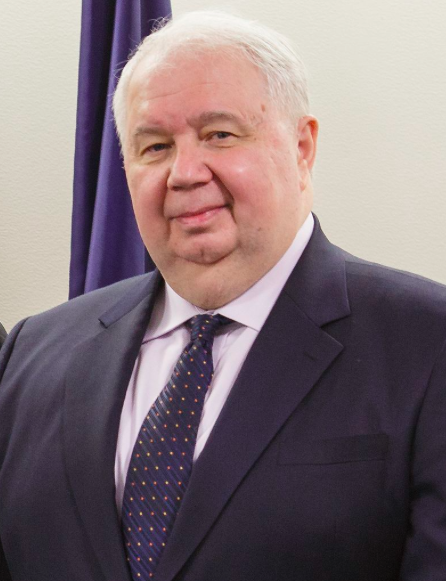
Russian Ambassador Sergey Kislyak
After Trump’s election, Obama officials take steps to ensure certain intelligence gathered regarding Trump associates is “spread across the government.” One Obama official would later say it’s because they were afraid once Trump officials “found out how we knew what we knew,” the intelligence would be destroyed. However, Obama critics later theorize Obama officials were working to mount opposition to Trump’s presidency.
January 10, 2017:
The media reports on the leaked anti-Trump “dossier” compiled by a political opposition research group containing unverified and at least partly untrue allegations of misconduct involving Trump and Russia.
January 12, 2017:
The Obama administration finalizes new rules allowing the National Security Agency (NSA) to spread certain intelligence to 16 other U.S. intel agencies without the normal privacy protections.
Feb. 9, 2017:
News of the FBI recordings of Lt. Gen. Flynn speaking with Russia’s ambassador is leaked to the press. The New York Times and the Washington Post report that Flynn was captured on wiretaps discussing current U.S. sanctions, despite Flynn’s earlier denials.
The Washington Post also reports the FBI reviewed Flynn’s calls with Russian ambassador and “found nothing illicit.”
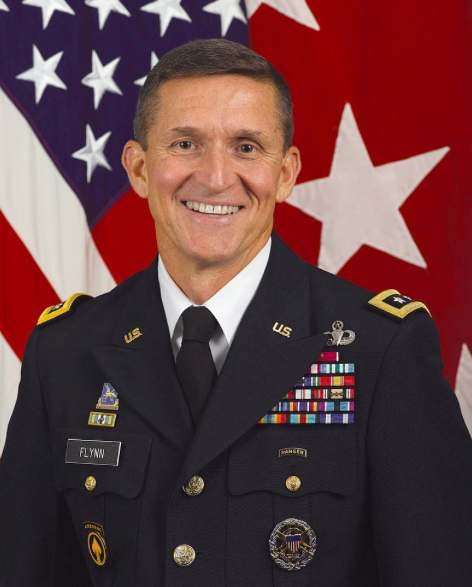
Lt. Gen. Michael Flynn
Feb. 13, 2017:
Trump National Security Adviser Flynn resigns, acknowledging he had misled Vice President Pence about his Russia conversations.
March 1, 2017:
The Washington Post learns and reports that Trump Attorney General Jeff Sessions has met with the Russian ambassador twice in the recent past. Sessions had told Congress he didn’t communicate with the Russians during the campaign. (The Russian ambassador had sought out and met with numerous high-ranking Democrat and Republican officials.)
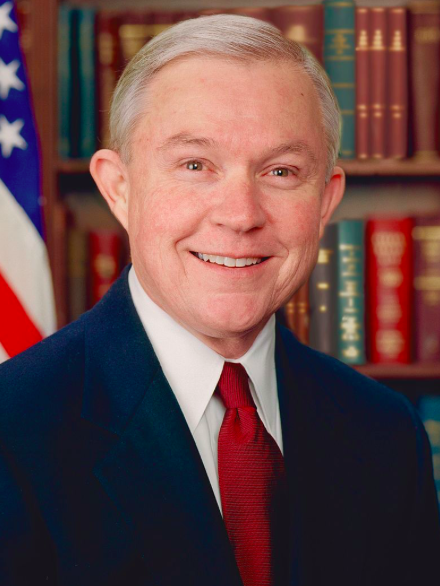
Attorney General Jeff Sessions
March 2, 2017:
In an interview on MSNBC, Obama Deputy Assistant Secretary of Defense Evelyn Farkas says that once President Trump was elected, she urged her former colleagues to “get as much information as you can, get as much intelligence as you can [about Trump and his associates] before President Obama leaves the administration” and get it to “people on Capitol Hill.”
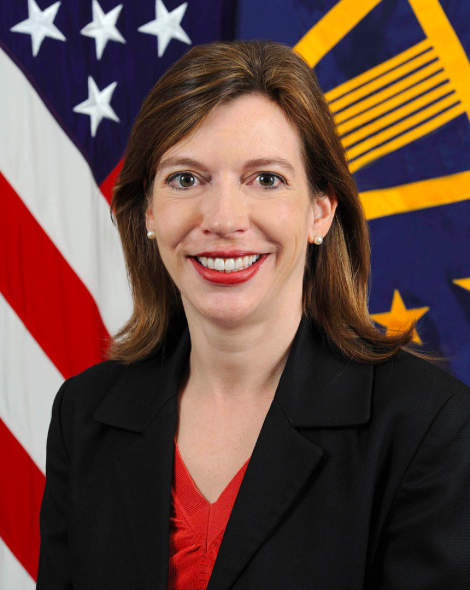
Former Obama Deputy Assistant Secretary of Defense for Russia, Evelyn Farkas
Trump Attorney General Jeff Sessions recuses himself from any Trump campaign-related investigations after backtracking on earlier statements that he had not met with Russian officials prior to the election.
March 4, 2017:
President Trump tweets: “Is it legal for a sitting President to be ‘wire tapping’ a race for president prior to an election? Turned down by court earlier. A NEW LOW!” and “How low has President Obama gone to tapp my phones during the very sacred election process. This is Nixon/Watergate. Bad (or sick) guy!”
March 10, 2017:
Former Congressman Kucinich, a Democrat, steps forward to support Trump’s wiretapping claim, revealing that the Obama administration recorded his (Kucinich’s) communications with a Libyan official in Spring 2011.
March 20, 2017:
At a hearing, lead House Intelligence Committee Democrat Adam Schiff places Trump adviser Carter Page at the center of a theoretical alleged collusion with Russia. (It’s not yet publicly known that the FBI has been surveilling Page.) Some critics see Schiff’s storyline as an attempt to establish public justification for the Obama administration intel community’s controversial surveillance of the Trump adviser during the 2016 political campaign.
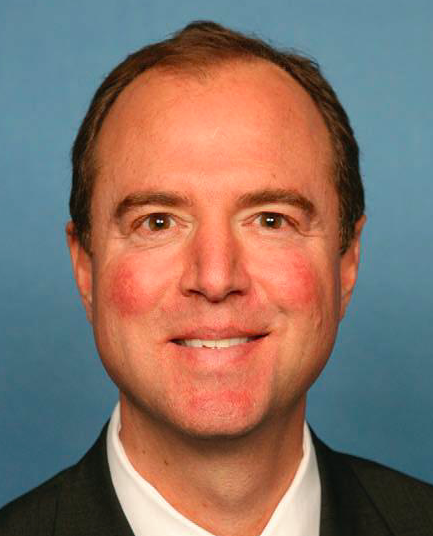
Rep. Adam Schiff
March 22, 2017:
Chairman of the House Intelligence Committee Devin Nunes publicly announces that he has reviewed evidence of U.S. citizens associated with Trump being “incidentally” surveilled by Obama intelligence officials, and that the names and information of the Trump associates were illegally leaked and/or used, mostly in November, December and January. Nunes attends a meeting at the White House to discuss. He’s criticized for viewing the evidence and speaking of it publicly.
In an interview on PBS, former Obama National Security Adviser Rice says “I know nothing about this…I really don’t know to what Chairman Nunes was referring.”
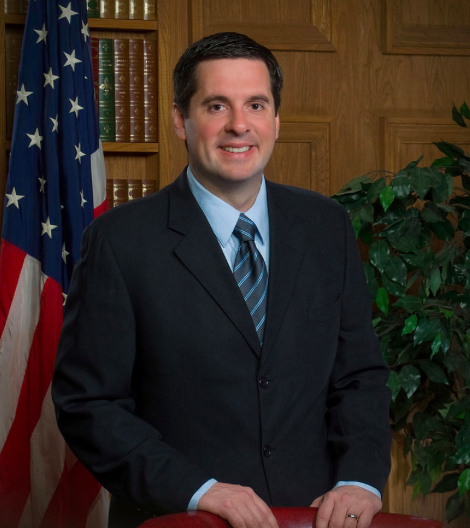
Rep. Devin Nunes
March 24, 2017:
The political firm that compiled the Trump “dossier” that was leaked to the press, Fusion GPS, declines to answer questions or document requests from Sen. Charles Grassley.
March 31, 2017:
Democrat Schiff is invited to the White House to review intel material Republican Nunes saw earlier.
April 3, 2017:
Multiple news reports state that prior to the election, Rice had requested and reviewed “unmasked” intelligence on Trump associates whose information was “incidentally” collected by intelligence agencies.
April 4, 2017:
In an interview on MSNBC, Rice seems to reverse herself (having earlier said she knew “nothing” about unmasking of surveilled Trump associates) and admits having asked for names of U.S. citizens previously masked in intelligence reports. Rice says her motivations were not political or to spy. When asked if she leaked names of U.S. citizens,
Rice replies, “I leaked nothing to nobody.”
April 6, 2017:
House Intelligence Committee Chairman Nunes recuses himself from the Russia part of his committee’s investigation.
April 11, 2017:
Someone leaks to the Washington Post, and the Post reports, that the FBI secretly obtained a FISA court order last summer to monitor Trump campaign associate Carter Page. Trump critics say the existence of the order proves there was possible criminal activity by Trump associates. However, Trump supporters say the leak is an attempt to frame damning revelations as they are coming to light: that the Obama administration was, indeed, surveilling the political campaign of at least one opponent.
Preorder The Smear: How Shady Political Operatives and Fake News Control What You See, What You Think and How You Vote.
https://sharylattkisson.com/obama-era-surveillance-timeline/
Subscribe to:
Posts (Atom)